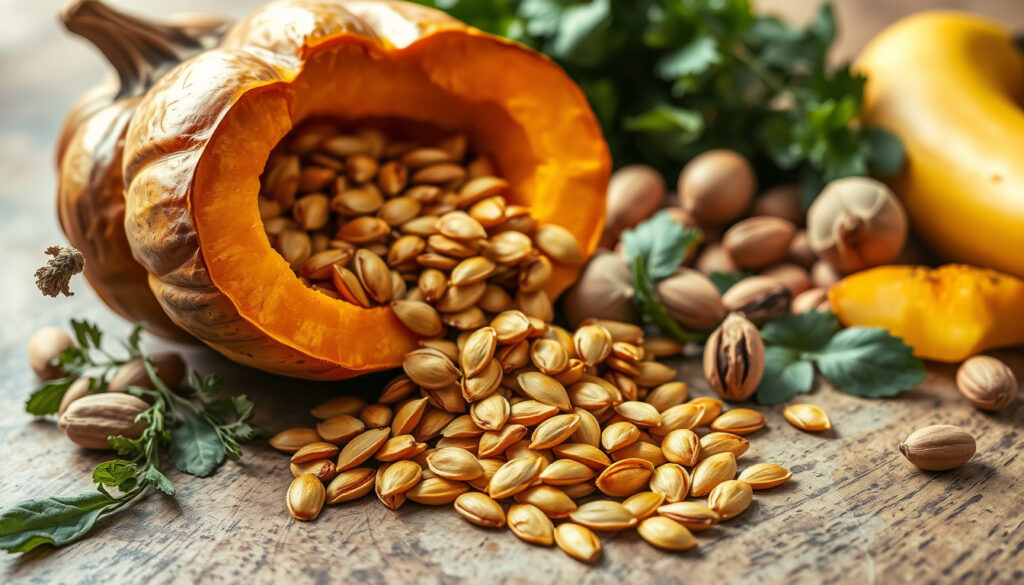
Benefits of Pumpkin Seeds: Top 11 Health Advantages
If you’ve ever carved a Halloween pumpkin, you know the pile of seeds you end up with. What you might not realize is that those little seeds pack a nutritional punch that nutritionists have been tracking for years. From heart health to sleep support, pumpkin seeds offer a surprising range of benefits backed by clinical research. This guide walks through what science says about daily intake, timing, and who should approach them with a bit more caution.
Rich in magnesium: One of top food sources · High in zinc: Supports immunity and fertility · Antioxidant-rich: May reduce cancer risk · Heart healthy: Improved blood sugar balance · Nutritional powerhouse: Zinc, phosphorus, potassium, selenium
Quick snapshot
- Rich in magnesium and zinc (Dr. Axe)
- Heart and fertility benefits supported by clinical trials (Healthline)
- Belly fat reduction — limited direct evidence
- Exact optimal daily amount for general populations
- Benefits accumulate over weeks of consistent intake
- Studies show measurable changes within 6–12 weeks
- Consider personal health factors before daily use
- Consult healthcare providers if on medications
Here’s what the research shows in key nutritional benchmarks.
| Key Nutrients | Value |
|---|---|
| Key Nutrients | Zinc, magnesium, phosphorus, potassium, selenium |
| Top Benefit | Heart health and blood sugar control |
| Source Strength | Nutrition powerhouse per studies |
| Antioxidants | May fight cancer |
| Iron (per cup) | 9.52 mg; 18 mg RDA for premenopausal females |
| HDL increase | 16% in postmenopausal women (12-week study) |
What are 5 health benefits of pumpkin seeds?
Pumpkin seeds deliver measurable benefits across several areas of health. Research from multiple peer-reviewed sources points to heart health, blood sugar regulation, antioxidant protection, and fertility support as the most evidence-backed benefits.
Heart health
A 12-week study in 35 postmenopausal women found that pumpkin seed oil supplements reduced diastolic blood pressure by 7% and increased HDL cholesterol levels by 16% (Healthline). The magnesium content in pumpkin seeds appears to play a key role in cardiovascular function.
For postmenopausal women, these changes represent meaningful cardiovascular support through a simple dietary addition rather than medication.
Blood sugar balance
A study in healthy adults found that those who consumed meals containing 65g (about 2 oz) of pumpkin seeds had lower blood sugar levels after a high carbohydrate meal (Healthline). A large observational study found that people with the highest magnesium intake had a 15% lower risk of developing type 2 diabetes than those with the lowest intake over 28 years.
Antioxidant effects
Pumpkin seeds are loaded with antioxidants that can fight free radical formation and protect cells against oxidative stress (Dr. Axe). Research indicates these antioxidants may aid in prevention of chronic conditions including heart disease, cancer, diabetes, and autoimmune disorders.
Laboratory studies show that pumpkin seeds can stop the growth of breast and prostate cancer cells and may trigger cancer cell death through apoptosis (WebMD Health Editorial Team). A review published in Food Research International linked diets rich in pumpkin seeds to lower risk of stomach, lung, colorectal, and breast cancer.
Fertility support
The zinc content in pumpkin seeds supports reproductive health for both men and women. A study in mice showed that pumpkin seeds helped restore sperm production when given 200 mg of pumpkin seed extract per kilogram of body weight daily for 40 days (WebMD Health Editorial Team).
Most fertility research remains in preliminary stages — animal and laboratory studies provide signals, but human clinical trials for fertility outcomes are still limited.
How many pumpkin seeds should you eat per day?
The American Heart Association recommends a quarter cup (approximately 30g) of pumpkin seeds daily as part of an overall healthy diet (MedicineNet). This guideline serves as a baseline for most healthy adults.
Recommended serving size
For benign prostatic hyperplasia (BPH), the recommended dosage is 5g of pumpkin seeds twice daily, or one to two tablets or capsules of pumpkin seed oil or extract products daily (MedicineNet). A 2022 study of 130 people assigned male at birth found that 500 mg of pumpkin seed extract twice daily reduced lower urinary tract symptoms and improved overall quality of life (WebMD Health Editorial Team).
Daily limits
Pumpkin seeds are safe to eat daily and do not have any negative impact on human health when consumed in moderation (NIH/PMC). However, excessive consumption can lead to taking in more calories than intended, causing weight gain (Dr. Axe).
What this means: the general guideline of 30g daily works for most people, but those with specific health concerns like prostate issues may benefit from targeted dosing through supplements.
What happens if I eat pumpkin seeds daily?
Regular daily intake of pumpkin seeds within moderate portion sizes may improve intake of minerals like magnesium and zinc, supporting bone, heart, metabolic, and reproductive health (Dr. Axe). For sleep improvement, consuming around 1g of pumpkin seeds before bed may help, as seeds are a natural source of tryptophan, an amino acid that promotes sleep (MedicineNet).
Positive effects
Pumpkin seeds are rich in polyunsaturated fatty acids and antioxidants such as selenium and beta carotene (Medical News Today). An older study in 45 people with overactive bladders found that taking 10g of pumpkin seed oil extract daily improved urinary function (Healthline).
Potential risks
Phytic acid in pumpkin seeds may interfere with mineral absorption if consumed in excess (Dr. Axe). Pumpkin seeds with shells contain much more fiber than those without, and eating too many in a sitting can cause digestive issues if the stomach is not accustomed to high fiber intake (Cleveland Clinic).
The pattern: most side effects stem from overconsumption or sudden dietary changes rather than inherent seed toxicity.
Is there a downside to eating pumpkin seeds?
Side effects from pumpkin products are rare but might include stomach discomfort, diarrhea, nausea, itching, rash, and allergic reactions in some people (WebMD). Eating pumpkin seeds in excess can cause stomach aches, flatulence, bloating, and constipation (PharmEasy).
Common side effects
For most people, digestive discomfort occurs when the body adjusts to the high fiber content. Pumpkin seeds should be consumed in moderation by people with diabetes on medication and people suffering from hypoglycemia due to their blood sugar-lowering effects (PharmEasy).
Who should avoid
Pumpkin seeds are high in vitamin K, omega-3 fatty acids, and magnesium, and have diuretic effects. Those taking blood thinners, blood pressure medicine, or diuretics should consult a doctor before adding pumpkin seeds to their diet (WebMD Health Editorial Team).
If you take blood thinners or diabetes medications, speak with your healthcare provider before making pumpkin seeds a daily habit — the vitamin K and blood sugar effects may interact with your treatment. For a deeper dive into the Italian agricultural landscape and its leading regions, explore this comprehensive overview of Agricoltura italiana stato produzioni.
The trade-off: for most healthy adults, the nutritional benefits clearly outweigh the risks when consumed in recommended portions.
What is the best time to eat pumpkin seeds, morning or night?
The timing depends on what benefits you’re targeting. Nutritionists generally agree that pumpkin seeds can be beneficial at any time of day, but specific goals may favor morning or evening consumption.
Morning benefits
Eating pumpkin seeds in the morning provides sustained energy and mineral support throughout the day. The zinc and magnesium content supports morning metabolic function, and the fiber helps with satiety. For those targeting weight management or blood sugar control, morning consumption may help regulate appetite and glucose levels after breakfast.
Night timing
For sleep improvement, consuming around 1g of pumpkin seeds before bed may help, as seeds are a natural source of tryptophan, an amino acid that promotes sleep (MedicineNet). The magnesium also supports muscle relaxation.
What this means: there’s no single “best” time — it depends on whether you’re prioritizing sleep support (night) or metabolic/blood sugar benefits (morning).
Upsides
- Rich source of magnesium, zinc, and iron
- Supports heart health and blood sugar regulation
- Contains antioxidants that may reduce chronic disease risk
- Natural tryptophan source for sleep support
- Safe for daily consumption in moderation
- May improve urinary function and prostate health
Downsides
- High calorie density — easy to overconsume
- May cause digestive discomfort if new to fiber
- Phytic acid can interfere with mineral absorption
- Can interact with blood thinners and diabetes medications
- Allergic reactions possible in sensitive individuals
- Belly fat reduction claims lack strong evidence
How to eat pumpkin seeds for maximum benefit
The way you prepare and consume pumpkin seeds affects how your body absorbs their nutrients. Raw, unsalted seeds generally offer the most nutritional flexibility.
- Choose raw, unsalted seeds when possible — roasted salted varieties add sodium that may counteract heart health benefits
- Start with small portions if you’re not used to high-fiber foods — begin with 1–2 tablespoons daily
- Consider whether to eat the shells — shells add fiber but can cause digestive irritation if your gut isn’t prepared
- Pair with vitamin C-rich foods — this may help counteract phytic acid’s mineral absorption interference
- Track your intake — a quarter cup (30g) is roughly one serving and fits easily into salads, oatmeal, or as a standalone snack
For most healthy adults, a quarter cup of raw pumpkin seeds daily represents a safe, evidence-backed addition to a balanced diet — whether you take it in the morning or before bed depends on your personal health goals.
Pumpkin seeds are loaded with antioxidants that can fight free radical formation and protect cells against oxidative stress.
— Dr. Axe (Nutrition Expert)
Laboratory studies show that pumpkin seeds can stop the growth of breast and prostate cancer cells and may trigger cancer cell death through apoptosis.
— WebMD (Health Editorial Team)
For health-conscious consumers, pumpkin seeds represent a simple, affordable way to boost mineral intake and support cardiovascular health. The research points most strongly to heart health and blood sugar benefits, with other claims — particularly around fat loss and fertility — still emerging. Start with a modest daily portion and adjust based on how your body responds, paying attention to any digestive adjustments during the first few weeks.
Related reading: prostate cancer symptoms · Holland and Barrett near me
Research underscores how pumpkin seeds deliver magnesium alongside heart prostate sleep aid for cardiovascular prostate and sleep support in daily nutrition.
Frequently asked questions
What are pumpkin seeds benefits for females?
For women, pumpkin seeds offer particular benefits around menopause and reproductive health. A 12-week study in postmenopausal women showed that 2g of pumpkin seed oil daily reduced diastolic blood pressure by 7% and increased HDL cholesterol by 16%. The lignans and zinc content may also play protective roles in breast health, though more human studies are needed.
What are pumpkin seeds benefits for males?
For men, the strongest evidence centers on prostate health. A 2022 study of 130 men found that 500mg of pumpkin seed extract twice daily reduced lower urinary tract symptoms from BPH. The zinc content supports testosterone production and prostate function, while the antioxidant effects may protect against prostate cell damage.
Do pumpkin seeds help with hair growth?
Pumpkin seeds contain nutrients — particularly zinc, iron, and selenium — that support hair health. While no direct studies prove pumpkin seeds grow hair, the nutrient profile addresses common nutritional deficiencies linked to hair loss. One cup provides 9.52 mg of iron, a significant portion of the daily recommendation.
What food is highest in magnesium?
Pumpkin seeds rank among the top food sources of magnesium, alongside dark leafy greens, nuts, and whole grains. A quarter cup of pumpkin seeds provides a meaningful portion of the daily magnesium requirement, making them a practical option for increasing intake through food rather than supplements.
Are pumpkin seeds healthier than sunflower seeds?
Both seeds offer strong nutrition profiles, but they differ in specific nutrients. Pumpkin seeds typically have more zinc and iron, while sunflower seeds often contain more vitamin E. The best choice depends on your individual nutritional goals — for prostate and immune support, pumpkin seeds have more targeted research.
What are benefits of pumpkin seeds oil?
Pumpkin seed oil — typically cold-pressed from raw seeds — concentrates the benefits into a more portable form. Research shows that 2–3g daily of pumpkin seed oil improves blood pressure and HDL cholesterol in postmenopausal women. It also shows promise for BPH symptom management with fewer side effects than prescription medications.
How to eat pumpkin seeds safely?
Start with small portions (1–2 tablespoons) if you’re new to high-fiber foods. Choose raw, unsalted varieties when possible. If you take blood thinners, blood pressure medications, or diabetes drugs, consult your healthcare provider first. Those with seed allergies should avoid pumpkin seeds entirely.
More related posts
 Bank of England Base Rate – Current 3.75% and Key Impacts
 Zion Williamson: Stats, Suspension, Net Worth, and Career Update
 Astronomer CEO Andy Byron: Kiss Cam Resignation Story
 Nintendo Switch Joy Con – Drift Fixes and Repair Guide
 Cast of Murder Before Evensong: Full Season 1 List & Roles
 Breaking News Manchester Airport Today – Trial Updates on Police Assault
 Children and Families Act 2014 – Key Provisions and Reforms
 Small Round Dining Table Guide: Size, Materials & Irish Retailers
