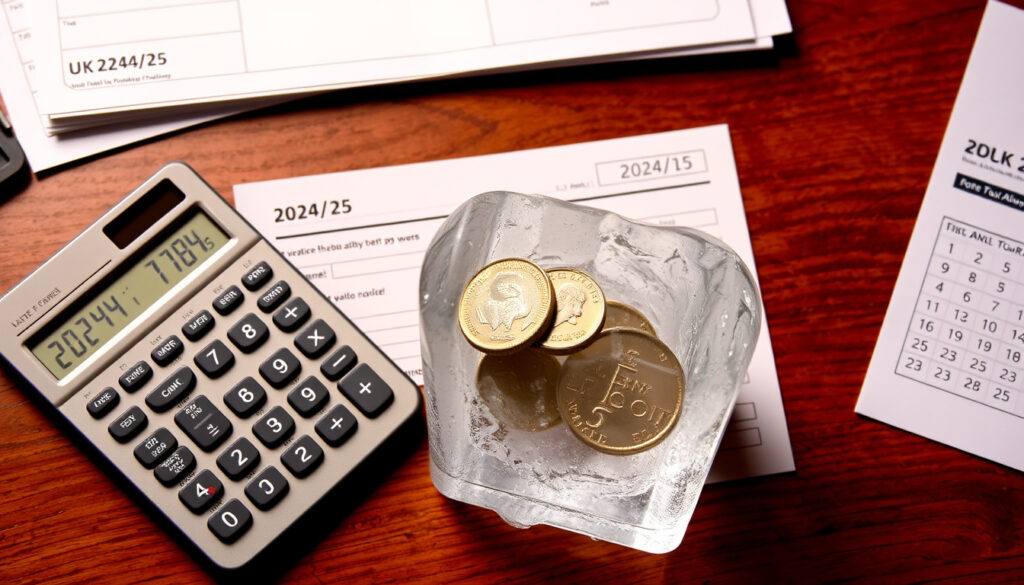
Personal Tax Allowance 2024/25 – Amount, Freeze and Key Rules
The personal allowance for 2024/25 stands at £12,570, representing the amount individuals can earn before paying any income tax. This figure applies uniformly across England, Wales, Scotland, and Northern Ireland, though Scottish taxpayers face different income tax rates for non-savings, non-dividend income set by the Scottish Government.
Understanding this allowance is fundamental for anyone managing their tax position, whether employed, self-employed, or retired. The allowance serves as the foundation of the UK’s progressive income tax system, creating the starting point from which all other calculations flow.
| Allowance Amount | Change from Prior Year | High-Income Taper | Basic Rate Band |
|---|---|---|---|
| £12,570 | Frozen (no change) | £1 per £2 over £100,000 | £37,700 taxable |
- The personal allowance has remained frozen at £12,570 since April 2021
- Zero income tax is payable on earnings up to this threshold
- The allowance is reduced for those earning above £100,000
- Scotland applies the same £12,570 allowance amount as the rest of the UK
- High earners above £125,140 receive no personal allowance whatsoever
- The higher rate threshold sits at £50,270, also currently frozen
- The £100,000 taper threshold has not moved since April 2010
| Income Tax Band | Taxable Income Range | Tax Rate |
|---|---|---|
| Personal Allowance | Up to £12,570 | 0% |
| Basic Rate | £12,571 to £50,270 | 20% |
| Higher Rate | £50,271 to £125,140 | 40% |
| Additional Rate | Over £125,140 | 45% |
Has the Personal Allowance Changed or is it Frozen for 2024/25?
For 2024/25, the personal allowance has not increased. The government froze the allowance at £12,570 in April 2021, and this freeze remains in place through the current tax year and beyond. The Chancellor recently announced a three-year extension to this freeze, pushing the end date from April 2028 to April 2031.
Why Did the Government Freeze the Allowance?
Fiscal policy decisions drive the freeze. By keeping the allowance static while wages rise with inflation, more individuals gradually enter the tax system or move into higher rate bands. This mechanism operates as a form of fiscal drag, generating increased tax revenues without explicit rate changes. The Treasury estimates this three-year extension will raise approximately £22 billion in additional tax revenue.
What Would the Allowance Be Without the Freeze?
Had the personal allowance increased in line with inflation for 2025/26, it would stand at £15,480 instead of £12,570. This represents a gap of £2,910 that individuals are effectively missing out on due to the freeze. Taxpayers with incomes of £15,480 or more pay at least £582 more in income tax for 2025/26 than they would under an inflation-adjusted system.
The frozen personal allowance means that as wages rise with inflation, more income becomes taxable at basic, higher, and additional rates. This silent increase in tax burden affects workers across all income levels who receive pay increases.
What Happens to Personal Allowance if Your Income Exceeds £100,000?
High earners face a taper mechanism that progressively reduces their personal allowance. For every £2 of adjusted net income above £100,000, the personal allowance decreases by £1. This creates an effective marginal tax rate of 60% within the taper zone between £100,000 and £125,140.
How the Taper Works in Practice
At exactly £100,000 income, individuals receive the full £12,570 allowance. As income rises above this threshold, the allowance diminishes proportionally. The taper continues until income reaches £125,140, at which point the personal allowance drops to zero entirely.
For example, someone earning £112,570 would see their allowance reduced by £6,285 (half of the £12,570 excess over £100,000), leaving them with an allowance of £6,285. Their first £6,285 would remain tax-free, with the remainder subject to income tax.
- Income of £100,000: Full £12,570 allowance applies
- Income of £110,000: Allowance reduced to £7,570
- Income of £120,000: Allowance reduced to £2,570
- Income of £125,140 or above: Zero personal allowance
The £100,000 Threshold Problem
The £100,000 income threshold has remained unchanged since April 2010. Over fourteen years of wage growth have pushed more individuals into the taper zone. Someone earning £100,000 in 2010 would have been in a significantly different position than someone earning the same amount today, as the real value of their allowance has been progressively eroded.
Who Qualifies for the Full Personal Allowance and Special Cases?
Most UK taxpayers qualify for the full personal allowance of £12,570, provided their adjusted net income remains below £100,000. The allowance is available to employees, self-employed individuals, and pensioners alike.
Age-Related Allowances for Pensioners
Age-related personal allowances for those born before 6 April 1948 were phased out and aligned with the standard personal allowance from 2015/16. For the 2024/25 tax year, pensioners receive the same £12,570 allowance as all other taxpayers, with no enhanced amount based on age.
Blind Person’s Allowance
Individuals registered as blind or severely sight-impaired may be entitled to an additional Blind Person’s Allowance on top of their standard personal allowance. While the specific amount for 2024/25 requires confirmation from current HMRC guidance, this allowance has historically provided additional tax-free income for qualifying individuals.
To claim Blind Person’s Allowance, you must be registered as blind or severely sight-impaired with your local authority. The allowance transfers to a spouse or civil partner if unused, making it particularly valuable for couples where one partner does not use their full allowance.
Marriage Allowance and Other Adjustments for 2024/25
The Marriage Allowance allows certain couples to transfer a portion of their unused personal allowance to their spouse or civil partner. This provision can reduce the tax burden for couples where one partner earns significantly less than the other.
How Marriage Allowance Works
Under the Marriage Allowance scheme, the lower-earning partner can transfer up to £1,260 of their personal allowance to their spouse or civil partner for 2024/25. This transfer reduces the recipient’s tax bill by up to £252 in that tax year, based on the basic rate of 20%.
To qualify, the recipient must be a married couple or civil partnership where neither partner is a higher or additional rate taxpayer. The transfer is one-way only and must be claimed through HMRC.
Claiming Marriage Allowance
Couples can claim Marriage Allowance online through the GOV.UK website or by contacting HMRC directly. Claims can be backdated to include any years within the previous four tax years where the criteria were met, potentially resulting in a repayment of hundreds of pounds.
The Marriage Allowance transfer amount for 2024/25 is £1,260. Recipients must have taxable income below their personal allowance threshold to qualify, while transferors must not be higher or additional rate taxpayers.
Timeline: Personal Allowance Changes Since 2010
The personal allowance has undergone significant changes over the past fourteen years, evolving from a means-tested benefit to a universal tax-free income threshold. Understanding this progression provides context for current policy debates.
- 2010/11: Personal allowance introduced at £6,475, with means-testing gradually phased out
- 2015/16: Age-related allowances for over-65s eliminated, standardising the system
- 2019/20: Allowance reached £12,500 milestone
- 2020/21: Allowance peaked at £12,500
- 2021/22: Freeze announced, allowance remained at £12,500
- 2024/25: Allowance frozen at £12,570
- 2028/29 to 2030/31: Freeze extended through additional three years
The decision to freeze the allowance, rather than continue incremental increases, represents a fundamental shift in tax policy. Where previous governments prioritised raising the tax-free threshold, the current approach focuses on revenue generation through fiscal drag.
Confirmed Information vs Areas of Uncertainty
For 2024/25, several aspects of the personal allowance system are firmly established and backed by official guidance. However, some areas remain less clear or depend on individual circumstances requiring professional advice.
| Confirmed Facts | Information Requiring Further Verification |
|---|---|
| Standard allowance: £12,570 | Specific Blind Person’s Allowance amount for 2024/25 |
| Freeze extends to April 2031 | Marriage Allowance eligibility for new civil partnerships |
| £1 per £2 taper above £100,000 | Self-employed specific treatments |
| Allowance reaches zero at £125,140 | Detailed Scottish rate variations beyond basic structure |
| Higher rate threshold: £50,270 | Personal savings allowance specifics by tax band |
| UK-wide application of £12,570 | Future post-2028 policy direction |
Context: Why the Freeze Matters for Taxpayers
The personal allowance freeze carries substantial implications for household finances across the United Kingdom. With wages expected to continue rising, an increasing proportion of workers will find themselves paying more income tax in relative terms, even if their real purchasing power remains unchanged.
For middle-income earners, the freeze means that annual pay increases translate partially into higher tax liabilities rather than purely higher take-home pay. This effect compounds over time, as each year’s freeze builds upon previous years of no adjustment.
The policy also affects the government’s stated objective of simplifying the tax system. A frozen personal allowance interacts with the progressive tax system in complex ways, particularly for those navigating the taper zone between £100,000 and £125,140, where effective marginal rates can exceed official rates.
Sources and Official Guidance
Several official sources provide authoritative information on personal allowances and income tax rates for 2024/25. The primary sources include government publications and professional tax bodies.
The personal allowance is the amount of income you do not pay tax on. Your Personal Allowance is £12,570 if your income is below £100,000.
GOV.UK Income Tax Rates Publication
The personal allowance is reduced by £1 for every £2 of income above £100,000.
HM Revenue and Customs Guidance
Professional bodies including the Institute of Chartered Accountants in England and Wales (ICAEW) and the Low Incomes Tax Reform Group (LITRG) provide additional analysis of the freeze’s implications and practical guidance for taxpayers.
Summary
The UK personal tax allowance for 2024/25 stands at £12,570, frozen at this level since April 2021 with the freeze now extended through April 2031. This amount applies to all UK taxpayers regardless of age or location within the United Kingdom. For those earning above £100,000, the allowance tapers by £1 for every £2 above the threshold, disappearing entirely at £125,140. While the freeze generates significant additional tax revenue for the Treasury, it also increases the effective tax burden on workers as wages rise with inflation. Those with complex financial situations, including high earners, couples wishing to claim Marriage Allowance, or individuals with special circumstances, should consult official GOV.UK guidance or a qualified tax adviser.
For additional context on related financial topics, see the Martin Lewis ISA Warning or the Bank of England Base Rate.
Frequently Asked Questions
When does the personal allowance reset?
The personal allowance resets at the start of each tax year on 6 April and applies for the entire tax year until the following 5 April.
Do self-employed individuals get the same personal allowance?
Yes, self-employed individuals receive the same £12,570 personal allowance as employees. Their profit after expenses determines their taxable income.
Does the personal allowance apply to savings income?
The personal allowance applies to total taxable income including savings. However, a separate Personal Savings Allowance exists for savings interest.
Can I claim Marriage Allowance if I receive the State Pension?
State Pension income counts toward income calculations for Marriage Allowance purposes. Eligibility depends on total income levels.
What counts as adjusted net income for the taper calculation?
Adjusted net income includes all taxable income after deducting certain reliefs such as pension contributions and Gift Aid donations.
Is the personal allowance different in Scotland?
The personal allowance amount of £12,570 is the same across Scotland, but Scottish income tax rates differ for non-savings, non-dividend income.
What happens to my allowance if I have multiple sources of income?
All income sources are combined to calculate total taxable income. The personal allowance is applied once against the combined total.
More related posts
 UK Retirement Age Changes 2026: State Pension Age Rising to 67
 Fatt Pundit Covent Garden – Menu, Hours, Reviews and Guide
 Gerry Adams: From IRA Controversy to Peace Process
 Inpost Locker Near Me – UK Map, Locations and Usage Guide
 Words with Friends Cheat: Best Tools, Safety & How to Use
 I’m a Celebrity 2025 – Lineup, Winner, Hosts and Schedule
 Phases of the Moon: Tonight’s Phase & 8 Types
 Park Hyung-sik: Age, Dramas, Height, Girlfriend Rumors
