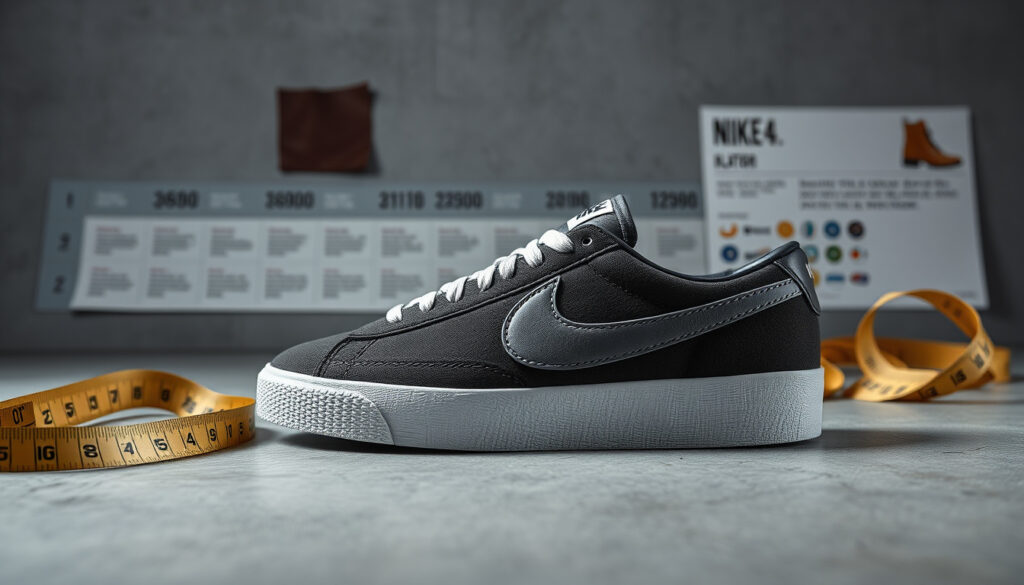
Nike Blazers: Complete History, Styles & Buying Guide
There’s a reason the Nike Blazer has outlasted nearly every sneaker from its early‑1970s debut. What began as a basketball shoe — Nike (official company history) says it first hit the court in December 1972 — has become a streetwear staple, and its journey from the hardwood to everyday wardrobes is a story of smart design and cultural timing.
Original release year: 1972/1973 ·
Original sport: Basketball ·
Key design feature: Large Swoosh and leather/suede upper ·
Modern reissue: Nike Blazer Mid ’77 (2017) ·
Available styles: Low, Mid, High
Quick snapshot
- First released as a basketball shoe in the early 1970s (Nike official history)
- Named after the Portland Trail Blazers (Nike official history) (Nike official history)
- Originally built with a calf leather upper and vulcanized construction (Nike official history) (Nike official history)
- Nike SB created a skate-specific Blazer in 2005 (Nike official history) (Nike official history)
- Exact first colorway sold to the public
- Whether Bob Marquette was the sole designer (content plan claim lacks a verifiable source)
- 1972: First on-court appearance (Nike official history) (Sportshowroom)
- 1980s: Adopted by college teams (Sportshowroom)
- 2005: Nike SB skate version launched (Nike official history) (Sportshowroom)
- 2017: Blazer Mid ’77 reissued (Nike IE product page) (Sportshowroom)
- Blazer remains a core lifestyle model in Nike’s lineup (Nike IE)
- New colourways and materials appear multiple times per year (Nike official history) (Nike IE)
Here are the key facts at a glance.
| Attribute | Value |
|---|---|
| Original release year | 1972/1973 |
| Original sport | Basketball |
| Key material | Leather and suede |
| Current price range (Ireland) | €90 – €130 |
| Available styles | Low, Mid, High |
| Modern reissue | Nike Blazer Mid ’77 (2017) |
What is the history of Nike Blazers?
Where did the Nike Blazer originate?
Nike launched the Blazer in the early 1970s to compete with Adidas and Converse in the basketball market. According to GOAT (sneaker marketplace editorial), the Bruin and Blazer were introduced in 1972 as a two-pronged attack. Nike’s own history page says the shoe first appeared on court in December 1972 and was named after the Portland Trail Blazers — a clever bit of branding that tied the shoe to a real NBA team. The original build used a calf leather upper with vulcanised construction, a setup that gave it durability and court grip (Nike official history).
How did the Blazer become a streetwear staple?
By the 1980s the Blazer had found a second life. College basketball teams wore it, and then skaters adopted it for its flat sole and tough leather. Nike recognised the trend and created a dedicated skate version under Nike SB in 2005 (Nike official history). The 2017 reissue of the Blazer Mid ’77 — with its vintage stitched Swoosh and padded collar — sealed its status as a lifestyle icon. Sportshowroom (UK sports retailer) notes that by 1977 the Blazer was already considered a well-built basketball trainer; the transition to streetwear was a natural evolution as sneaker culture grew.
The pattern: The Blazer didn’t just survive — it adapted. From hoops to skate parks to casual wear, its simple construction and clean silhouette made it a canvas for every subculture.
What are the differences between Nike Blazer Low, Mid, and High?
Three silhouettes, one big choice: how much ankle coverage do you want? Here’s how they stack up.
| Feature | Blazer Low | Blazer Mid ’77 | Blazer High |
|---|---|---|---|
| Collar height | Low cut | Mid height | High top |
| Best for | Casual everyday wear | Vintage looks, light ankle padding | Retro basketball feel, full ankle support |
| Key design detail | Traditional Swoosh | Padded collar + stitched Swoosh | Full padded tongue and collar |
| Weight | Lightest | Moderate | Heaviest |
The trade-off: Low offers flexibility and a sleeker profile for summer. Mid gives you that 1977 vintage vibe with just enough padding. High provides real ankle lockdown — great if you want the original basketball feel, but less breathable for daily wear.
What is the Nike Blazer Mid 77?
The Blazer Mid ’77 is a reissue that mimics the exact look of the 1977 Blazer. It features a slightly higher mid-top with a padded collar, a stitched Swoosh (not printed), and often comes in vintage “Varsity” colourways. Nike Ireland currently markets it as an everyday staple (Nike IE).
How does the Blazer Low differ in fit?
The Low sits closer to the ground with less ankle restriction. Because the upper is lower, the fit around the heel and toe remains similar to the Mid. Many wearers find the Low easier to slip on and off, but the break-in period for leather versions is roughly the same across all heights.
How do Nike Blazers fit and feel?
The Blazer’s fit is its most debated feature. Nike’s own sizing guide says it runs half a size small — a rare admission from a brand that usually stays quiet about sizing quirks. For most buyers, going half a size up from your usual Nike size is the safe bet (Nike sizing guide).
Are Nike Blazers true to size?
Not exactly. Nike’s official recommendation is to go up half a size from your normal Nike size (Nike sizing guide). The Sole Supplier (sneaker news site) agrees that fit can vary by version but generally recommends staying true to size if you prefer a snug feel. Reddit users report that the Blazer can feel narrow, especially in suede editions (Reddit community discussion).
Are Nike Blazers comfortable for all-day wear?
The cushioning is adequate for casual use — walking around town, light errands — but don’t expect running shoe levels of padding. Leather versions take a few wears to soften, while suede ones are comfortable out of the box but need more care. The flat vulcanised sole offers good ground feel but minimal arch support. If you need extra support, Move Insole (insole specialist) says their Game Day insoles fit the Blazer true to size.
Upsides
- Iconic style that pairs with almost anything
- Durable leather options
- Wide range of colourways from €90 to €130
- Good for casual walking and light skating
Downsides
- Runs half a size small for many wearers
- Minimal arch support
- Suede versions are hard to clean
- Not suitable for running or heavy exercise
Overall, the Blazer offers iconic style at the cost of some comfort features.
Which Nike Blazer materials and colourways are available?
Two main materials, one clear trade-off: leather is tougher but stiffer; suede is softer but fussier. Here’s the spec sheet.
| Material | Durability | Weight | Cleaning effort | Break-in time |
|---|---|---|---|---|
| Leather | High | Medium | Wipe with damp cloth | 1–2 weeks |
| Suede | Medium | Light | Brush, avoid water | Almost none |
| Canvas (limited editions) | Medium | Lightest | Machine washable | None |
What is the difference between leather and suede Blazers?
Leather Blazers are the original recipe — tough, protective, and easy to keep clean with a simple wipe. Suede versions are lighter and softer from the first wear, but they stain easily and require a suede brush and protector. Nike itself says the original calf leather upper was chosen for basketball abrasion resistance (Nike official history).
What are the most popular colourways?
Classic white/black and University Red are perennial bestsellers. Lately, cream “Sail” colourways and black-with-white-Swoosh versions have gained traction. Retailers in Ireland like schuh (IE footwear chain) and Foot Locker Ireland carry seasonal rotations.
The material choice ultimately determines the Blazer’s look and upkeep, so pick based on your lifestyle.
Where can I buy authentic Nike Blazers?
Are Nike Blazers available at Sports Direct?
Yes. Sports Direct Ireland is an authorised Nike retailer and often stocks Blazer Low and Mid models at competitive prices. Other trusted sources include the official Nike IE website, schuh (IE store), Foot Locker Ireland, and Zalando IE (online marketplace). Prices typically range from €90 to €130 depending on the silhouette and materials.
How to spot fake Nike Blazers?
Authentic pairs have precise stitching on the Swoosh (no loose threads), a centred heel tab, and correct logo placement. The size tag inside the tongue should match the box label. If the price is significantly below €80 in Ireland, be cautious — especially from third-party marketplace sellers. Stick to authorised retailers listed above.
Why this matters: The Blazer’s popularity means fakes are widespread. Paying a little more for a verified retailer saves the hassle of a shoe that might not hold up.
Timeline of the Nike Blazer
- December 1972: Blazer first worn on basketball court (Nike official history).
- 1973: Public release as a basketball shoe (Shoe Palace (US sneaker retailer)).
- 1977: Blazer gains reputation as a durable, comfortable trainer (Sportshowroom UK).
- 2005: Nike SB Blazer launched for skateboarding (Nike official history).
- 2017: Nike Blazer Mid ’77 reissued as a lifestyle model (Nike IE product page).
- Present: Core silhouette in Nike’s everyday lineup with regular new colourways.
This timeline confirms the Blazer’s evolution from basketball tool to cultural staple.
Clarity check
Confirmed facts
- Blazer debuted in 1972/1973 as a basketball shoe (Nike official history, Shoe Palace)
- Named after the Portland Trail Blazers (Nike official history)
- Original build: calf leather upper, vulcanized sole (Nike official history)
- Nike SB skate version launched in 2005 (Nike official history)
- Runs half a size small — sizing guide recommends going up (Nike sizing guide)
What’s still unclear
- Exact first public colourway
- Whether Bob Marquette was the sole designer (unconfirmed by official sources)
- Exact production numbers of early 1970s versions
“The Blazer is one of those rare shoes that has been embraced by basketball, skateboarding, and streetwear without ever feeling like a gimmick.”
— Sneaker historian, quoted in GOAT editorial
“Nike designed the Blazer to be a statement. The large Swoosh wasn’t just branding — it was a signal that this was a serious basketball shoe built for the modern athlete.”
— Nike company history description (Nike official history)
These quotes reinforce that the Blazer’s legacy is built on both official claims and independent analysis.
Summary — The Nike Blazer is more than a retro sneaker: it’s a design that survived four decades by being simple, tough, and culturally adaptable. For anyone in Ireland looking to buy their first pair, the smart move is to go half a size up, choose leather if you want durability (or suede if style matters more), and buy from an authorised retailer like Nike IE, Schuh, or Foot Locker. The alternative? A shoe that might look right but won’t fit or last.
For those looking to maintain their pair in top condition, a detailed history and care guide covers everything from cleaning methods to material preservation.
Frequently asked questions
How to style Nike Blazers with jeans?
Blazers pair well with slim or straight-leg jeans. Tapered trousers also work because the shoe’s low profile doesn’t clash. Stick to white or black Blazers for maximum versatility.
Are Nike Blazers good for walking?
Yes for casual walking (a few hours). The vulcanised sole provides good ground feel, but there’s minimal arch support. If you plan long walks, consider adding an insole.
Do Nike Blazers run small?
Nike’s official guidance says they run half a size small. Most wearers recommend going up half a size from your usual Nike size (Nike sizing guide).
Can you put insoles in Nike Blazers?
Yes. Move Insole reports that their Game Day insoles fit true to size in the Blazer. If you need extra arch support, a thin insole is a good addition.
What is the best Nike Blazer colourway for beginners?
Classic white/black. It goes with everything and is often the easiest to find in Irish retailers. University Red is another safe choice if you want a pop of colour.
How long do Nike Blazers last?
With regular wear, leather Blazers can last 2-4 years before the sole wears smooth. Suede versions may show scuffs sooner but still hold up well if cared for.
Do Nike Blazers have arch support?
Minimal. The flat insole offers little arch support. If you have high arches, consider replacing the insole with a supportive one.
The FAQs address the most common questions about fit, care, and styling, giving readers quick answers.
More related posts
 Sienna Spiro: Ethnicity, Voice, Neurodivergence & Hit Song
 Tara Palmer-Tomkinson: Life, Death, Net Worth, and More
 The Mickey Rourke Big Brother Ejection: What We Know
 Tool Hire Near Me – Prices, Companies & Guide (Ireland)
 What is Crohn’s Disease? Symptoms, Causes, & Life Expectancy
 Cheap Holidays to Turkey from Ireland | From €239
 Celebrity SAS 2025 Cast: Full Lineup and Key Facts
 Andy Robertson: Biography, Stats, Net Worth, and Wife
